
A poorly suited screwdriver can damage a screw and complicate the task, even for a simple repair. In some cases, an excess of enthusiasm leads to the use of inappropriate tools, causing more damage than solutions. Yet, a few basic gestures are often enough to turn a laborious experience into success.
We frequently encounter the same pitfalls: ignoring the choice of the right materials, neglecting site preparation. As a result, discovering DIY proves to be slower, and learning can sometimes be discouraging. Progress also means integrating a methodical approach into the experience.
Essential basics for getting started with DIY at home
Before diving in, it’s important to grasp the basic principles of DIY. It’s impossible to move forward without understanding the nature of materials—wood, metal, or plastic: each requires its own technique, cutting rhythm, and assembly demands. Taking the time to test and gauge their resistance helps prevent clumsiness and prepares you for the next steps with more confidence.
Safety is not optional. Before taking out any tools, inspect your work area: clear floor space, sufficient lighting, and tools in good condition. Protective equipment, such as gloves and goggles, deserves a place on every job site, even for seemingly trivial tasks. You can never be too careful on a project, no matter how modest.
To start, focus on accessible tasks: replacing a door handle, fixing a shelf, or refurbishing a tired piece of furniture. These concrete and modest exercises already shape a solid know-how. Take the time to read the instructions and analyze the diagrams: often, decoding a technical plan is just as important as the skill of the gesture.
Bricotage’s DIY tips provide reliable support for progressing at every stage. Stay methodical: gather your materials, adapt each tool to the task, and don’t skip any phase of the process. Conscientiously preparing your space, educating yourself about the materials, and anticipating the duration of the work are all habits to adopt for successfully completing your DIY projects at home.
Which tools to choose and how to use them safely?
Prioritize basic tools for each stage of the project
To successfully carry out your work, certain tools form the foundation of any well-thought-out toolbox. Here are the essentials to gather for a stress-free intervention:
- Hammer: it is used in most assemblies and small daily repairs.
- Screwdriver: have several bits available to adapt to all types of screws.
- Drill: whether corded or battery-operated, it facilitates the assembly and disassembly of furniture, as well as the fixing of shelves.
- Pliers and tape measure: for precise measurements and adjustments during your work.
Before each use, ensure your tools are in good condition. A worn blade, a damaged handle, or a drill that malfunctions can skew your actions and create accidents. Electric tools require even more vigilance: read the manual carefully, choose the appropriate blade for each material, and always unplug the device before making any modifications.
Always remember to wear gloves and safety goggles. These precautions prevent many injuries, even during simple operations. And don’t forget to put away each tool as soon as the work is done: this habit minimizes risks at home and ensures better longevity of your equipment.
A thoughtful choice, combined with a rigorous use of basic tools, lays the groundwork for reliable DIY, whether adjusting a shelf or embarking on a more ambitious project.
Small tips and clever advice for successfully completing your first projects without stress
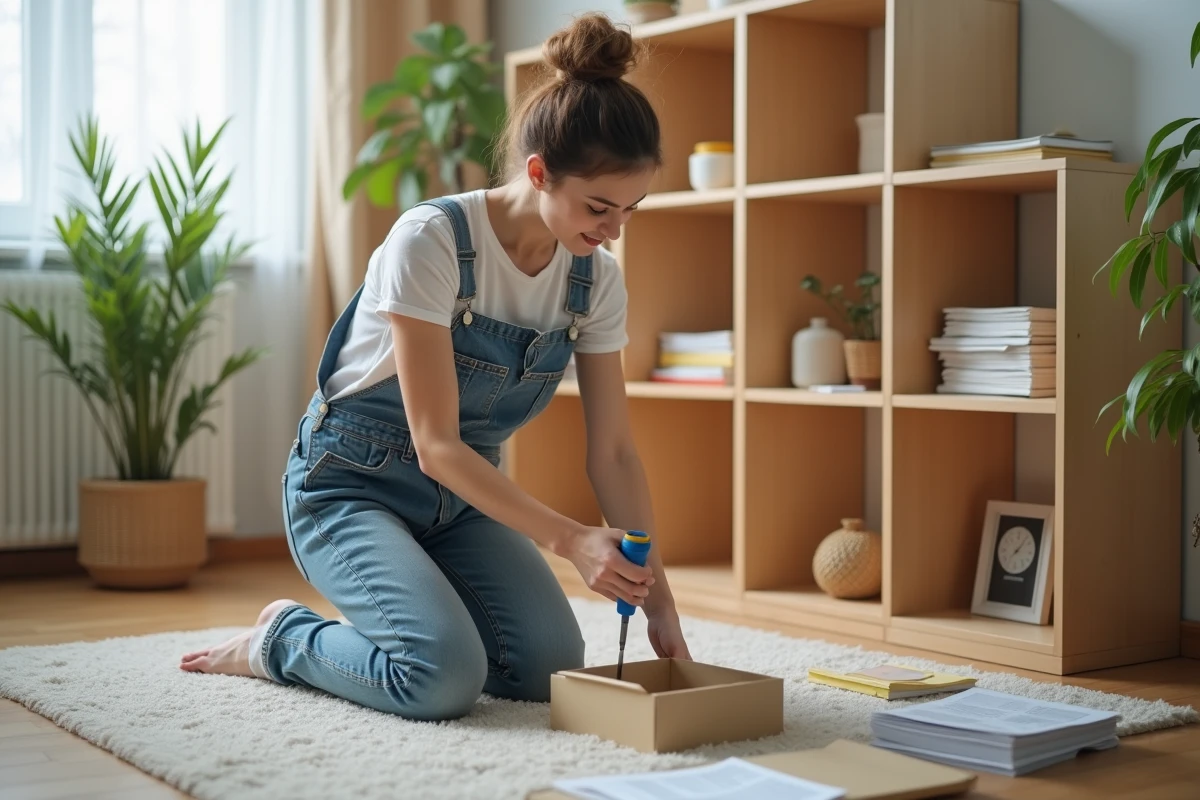
For beginners, each project is an opportunity to progress, as long as you don’t aim too high too quickly. Focus on small, manageable tasks: installing a shelf, changing a door handle, assembling a simple piece of furniture. This step-by-step progression builds confidence and allows you to master the right gestures without being overwhelmed by complexity.
Before starting, make a precise list of everything you need. A piece of paper, a pencil, and review each item: it’s better to anticipate a missing screw or a misplaced socket than to interrupt a project to run to the store. This simple organization streamlines the project and prevents distractions. Also, prepare your workspace: cleared and well-lit, it encourages safe actions.
Given the variety of techniques, don’t hesitate to consult reliable tutorials or seek advice from an experienced DIYer. Sound advice helps avoid common pitfalls. Allow yourself the right to make mistakes: sometimes, you need to adjust, restart, and learn through patience. This is also where the pleasure of DIY comes from.
Make it a habit to clean and tidy up the space after each step. This small ritual, beyond safety, establishes a positive dynamic: you start fresh and move forward calmly towards new challenges, ready to turn any idea into a concrete achievement.